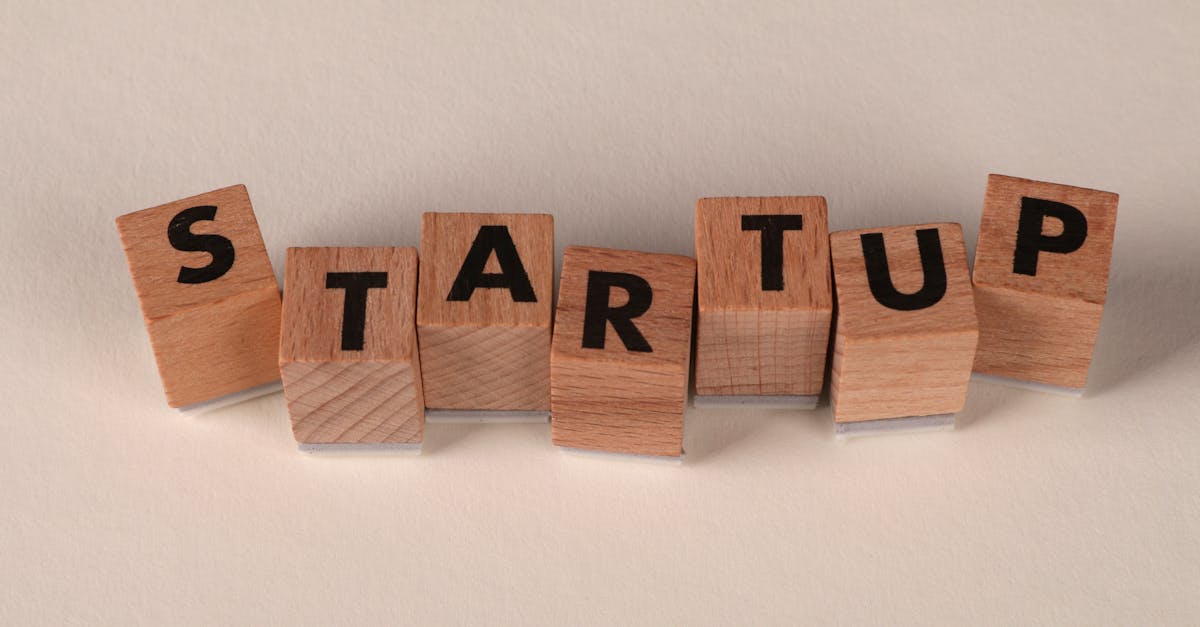
How To Launch A New Business Successfully
Introduction: The Thrill and Fear of Starting Up
Starting a business feels a lot like standing at the edge of a diving board. Your heart is racing, your palms are sweaty, and you are wondering if you have what it takes to make the plunge. It is a mix of pure adrenaline and the nagging fear that you might belly flop. But let us be honest, the view from the top is exhilarating. Launching a new venture is one of the most rewarding challenges you can undertake, yet it requires more than just a great idea. It requires grit, strategy, and a roadmap that prevents you from getting lost in the weeds.
Turning a Spark into a Concrete Business Idea
Every empire starts as a whisper in someone’s mind. However, an idea is not a business. An idea is a potential solution to a problem. If you have a spark, you need to fan it into a flame by checking if it provides real value. Ask yourself, does this solve a pain point? Are people willing to pay for it? You are not just building a product; you are building a bridge between a problem and a solution. If you cannot articulate that bridge clearly, your business will struggle to gain traction.
Why Market Research Is Your Business Compass
You would not sail across the ocean without a compass, would you? Market research is your navigational tool. It tells you where the rocks are and where the open water lies. You need to gather data, talk to potential customers, and look at industry trends. Stop guessing and start knowing. Guesswork is the quickest way to empty your bank account.
Identifying Your Target Audience
Trying to sell to everyone is a recipe for selling to no one. Who exactly is your customer? Are they college students, busy parents, or corporate executives? The more specific you get, the easier it is to talk to them. Think of your target audience as a specific person you are sitting across from in a coffee shop. If you know their hopes, their fears, and their frustrations, you can tailor your message to speak directly to their soul.
Analyzing Competitors without Copying Them
Keep your friends close and your competitors closer. Look at what they are doing right, but more importantly, look at where they are failing. Their failure is your opportunity. If their customer service is slow, make yours lightning fast. If their branding feels cold, make yours warm and inviting. You are not looking for a carbon copy; you are looking for a competitive edge.
Crafting a Business Plan That Actually Works
Ditch the hundred page document. You need a living document, a roadmap that outlines your goals, your strategy, and your financial projections. It should be clear enough that if you had to explain it in an elevator, you could do it before the doors opened on the next floor. Keep it simple and focused on how you will generate revenue.
Building a Solid Legal Foundation
Nobody likes paperwork, but ignoring it is a disaster waiting to happen. Whether you choose an LLC, a corporation, or a partnership, your legal structure defines your liability. Protect your personal assets and ensure your business entity is registered correctly. Think of this as the foundation of your house; if it is cracked, the whole building will eventually sag.
Financial Planning: Managing Your Cash Flow
Cash is the oxygen of your business. If you run out of it, you stop breathing. You need to keep a close eye on your burn rate, which is the speed at which you are spending your startup capital. Always overestimate your expenses and underestimate your income in the early months. It is better to be pleasantly surprised than crushed by reality.
The Art of Bootstrapping
Bootstrapping means growing on your own terms. It teaches you to be scrappy and resourceful. When you are paying for every expense out of your own pocket or your initial revenue, you learn to prioritize what is truly necessary. It is a masterclass in financial discipline.
Seeking Outside Funding Sources
If your business requires a massive initial investment, bootstrapping might not be enough. Whether you look for angel investors, venture capital, or small business loans, remember that money comes with expectations. Be ready to prove your growth potential and justify why you deserve that investment. Always treat other people’s money with more respect than you would treat your own.
Developing Your Minimum Viable Product
Perfection is the enemy of progress. Launching a Minimum Viable Product or MVP means getting the most essential version of your product into the hands of real users as quickly as possible. Learn from their feedback. Adjust, iterate, and improve. You do not need the bells and whistles on day one. You need a working prototype that solves the primary problem.
The Power of Branding and Identity
Your brand is not just a logo. It is the emotion people feel when they think of your company. It is your voice, your values, and your vibe. In a sea of competitors, your brand is the thing that makes you memorable. If your business were a person, how would they act? What would they sound like? Define this early and stick to it.
Creating a Memorable Visual Identity
Visuals matter because they are the first thing people notice. Your color palette, your typography, and your imagery should be cohesive. If your website looks like it was designed in 1995, people will assume your technology is just as outdated. Invest in professional design; it builds trust instantly.
Establishing a Strong Digital Presence
If you are not online, you do not exist. Your website is your 24/7 storefront. Make it user friendly, mobile optimized, and fast. Customers have the attention span of a goldfish, so ensure your message is clear within the first three seconds of them landing on your page.
Navigating Social Media Marketing
Do not try to be everywhere at once. Pick the platforms where your target audience hangs out and master them. Whether it is Instagram, LinkedIn, or TikTok, be authentic. Social media is about building relationships, not just broadcasting ads. Talk to your followers, answer their questions, and show the human side of your brand.
Building Your Dream Team
You cannot do it all forever. Eventually, you will need to delegate. Hire people who share your vision and have skills that you lack. A great team is a collection of complementary talents. Look for people who are passionate, adaptable, and willing to roll up their sleeves when things get tough.
Executing a Successful Launch Day
Launch day should feel like a party, not a funeral. Build anticipation beforehand. Use an email list, social media teasers, and influencers to create hype. When the day arrives, be ready for anything. Expect technical glitches and have a plan to address them. Celebrate the milestone, but stay focused on the work that follows.
Post Launch Growth Strategies
The work truly begins after the launch. How do you retain your early customers? How do you scale? Focus on customer experience. A happy customer is your best marketing tool. Collect testimonials, iterate on your product based on user reviews, and stay consistent. Growth is rarely a straight line, but if you keep listening to your customers, you will head in the right direction.
Conclusion: The Journey Is Just Beginning
Launching a business is a marathon, not a sprint. There will be days when you feel like you are on top of the world and days when you wonder why you ever started. That is normal. The difference between those who succeed and those who quit is simply the refusal to stop learning and adapting. Take that first step, keep your eyes on the horizon, and embrace the adventure. Your business is a reflection of your commitment, so stay hungry, stay humble, and keep building.
Frequently Asked Questions
1. How much money do I really need to launch a business?
The amount varies wildly depending on your industry. Service based businesses can often start with very little, while manufacturing or tech startups may require significant capital. Focus on identifying your essential costs and start as lean as possible.
2. Should I quit my job to start a business?
It is generally safer to build your business as a side hustle until it generates enough income to support your lifestyle. This reduces financial pressure and allows you to test your idea before going all in.
3. How do I know if my business idea is actually good?
Validation is key. Get your idea in front of potential customers as early as possible. If they are willing to pay for it or sign up for a waitlist, you have a signal that you are onto something valuable.
4. How do I handle failure if my business does not take off?
Treat failure as data. Analyze what went wrong, what you learned, and how you can apply those lessons to your next venture. Many successful entrepreneurs failed multiple times before finding their stride.
5. Is it necessary to have a formal business plan?
While you do not need a massive document, you absolutely need a clear strategy. A plan helps you organize your thoughts, identify potential hurdles, and stay focused on your goals, especially when you are looking for external investment.